

There’s something galvanising about visiting an exhibition loaded with an author’s life’s work.
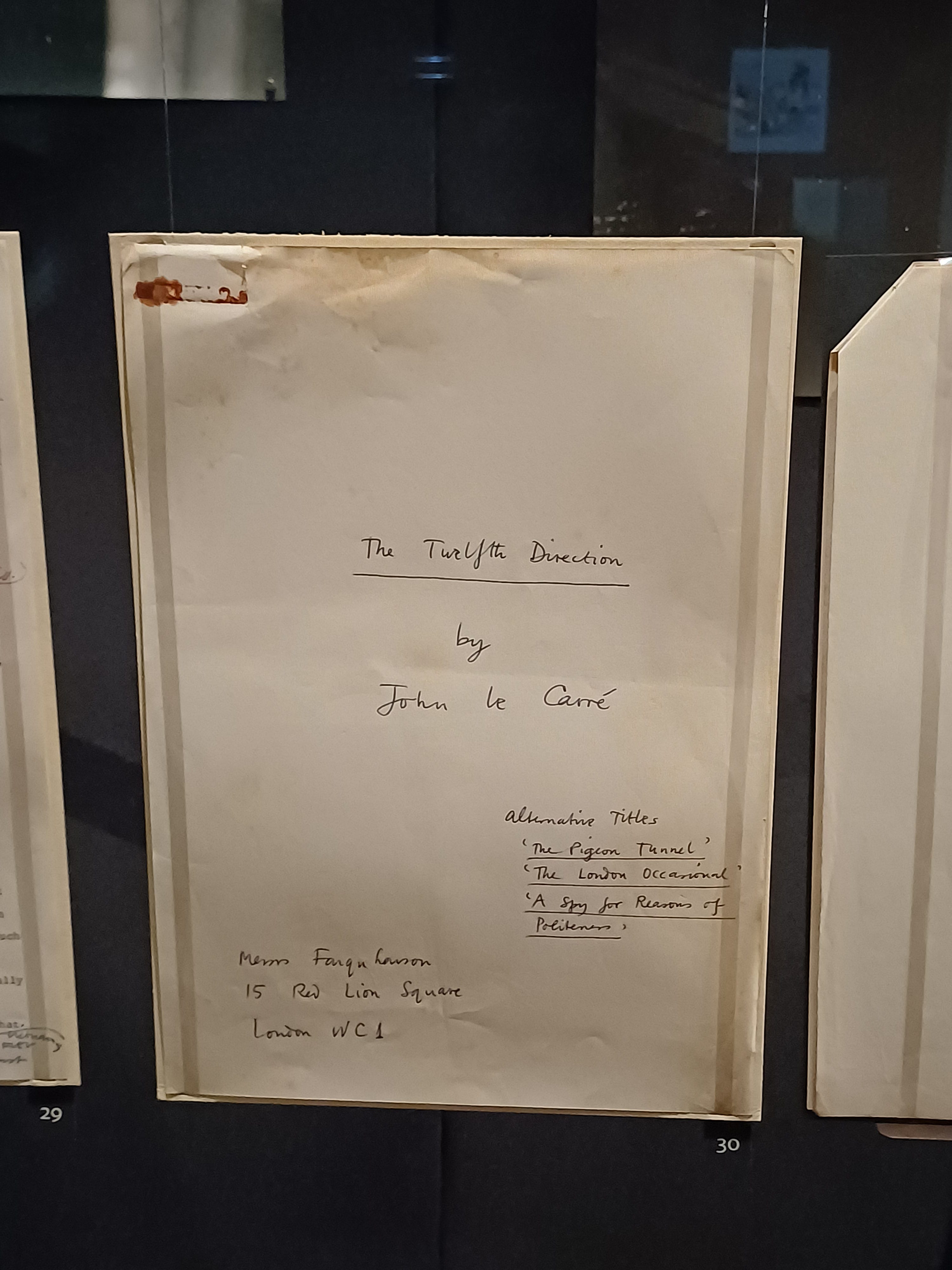
Seeing it all laid out: handwritten plans; scribbled revisions; developmental edits in red pen, all of it (legible or not), reminds you that no matter how prolific or famous, no writer worth their salt is beyond hard work, gruelling revisions included.
Over half term I was a woman on a mission: yank myself out of my creative slump and, through any means necessary, feel inspired to write. So much of writing a novel is pure resilience. No one is really getting up every morning before work with a skip in their step as they approach the dreaded blank page. Or, slumped over their laptop at the end of a long day, gagging to put the words down when they’ve spent most of them already. Sure, there are blissful episodes of divinely inspired productivity. Nothing beats tap tapping away without long pauses of agonising indecision. Like writing this now – a low stakes newsletter - It flows because I’m not putting any undue pressure on myself to say something poetic or profound (ideally both).
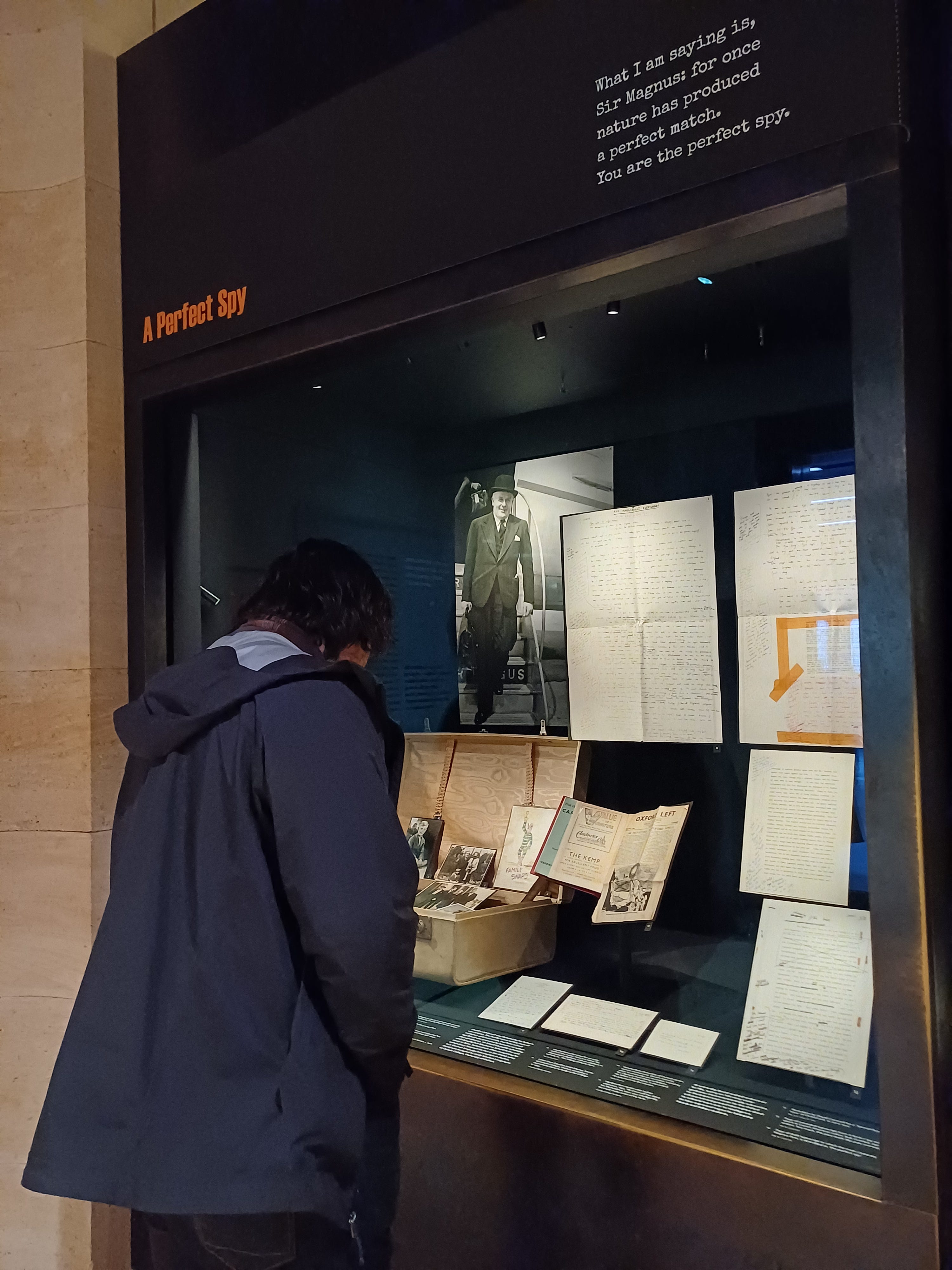
John le Carré: Tradecraft, a temporary exhibition held at the Bodleian Libraries in Oxford is worth visiting even if you’re not a huge fan. My partner can pretty much recite Tinker Tailor Soldier Spy, which, despite being a cool party trick, goes to show how deeply le Carré’s body of work means to him. I feel this way about other authors, so was happy to go along to check the exhibition out, despite only watching the 2011 movie staring Gary Oldman.
As a writer, I loved seeing the process set out in handwritten notes, character sketches, correspondence and research. It’s not like I’m under any illusion that someday there will be a retrospective in my honour, it was just inspiring to see that there are exhibitions in the first place, honouring art and the power of the written word.
Beyond this, we visited the Wellcome Collection’s latest free offering: Thirst: In Search of Freshwater where I sank into a beanbag for half an hour and listened to the sound of moving water recorded in the glacial fields of Ladakh, the Himalayas, the Canadian Rockies, meltwater streams in Norway, and the Arctic Svalbard. I almost dosed off, lulled by the crackling sounds of ice melting, which of course wasn’t the point – these are glaciers and ice sheets receding as a poignant reminder of environmental loss due to global warming. I got this too – it wasn’t all sleep sounds and lulling around on bean bags.
Also at the exhibit, was one of the most moving photographs I’ve ever seen displayed in real life. Adam Rouhana’s photograph of Palestinian people enjoying the water at Ein Aouja, the largest spring in the eastern West Bank. The image was taken in 2002, and it’s likely the same sanctuary exists due to the ongoing devastation. More than anything, the photo captures Palestinian life thriving under impossible conditions, and the simple joy of water. I won’t include the photograph here, you should go and see it for yourself. Humanity’s connection to water is obviously vital but seeing how far it manifests in our lives – past and present – was really very moving.
Finally, I attended the launch of Dead Ink’s Uninvited Guests, a horror anthology released just in time for Halloween. I loved hearing from three of its contributors (and Dan Coxon it’s editor), including one of my favourite writers Claire Fuller. It was a true joy meeting her in person. Not all of our heroes are worth meeting of course, but Claire reminded me that sometimes we should be brave and do it anyway. With many successful novels under her belt, I was reminded careers are made one story at a time.
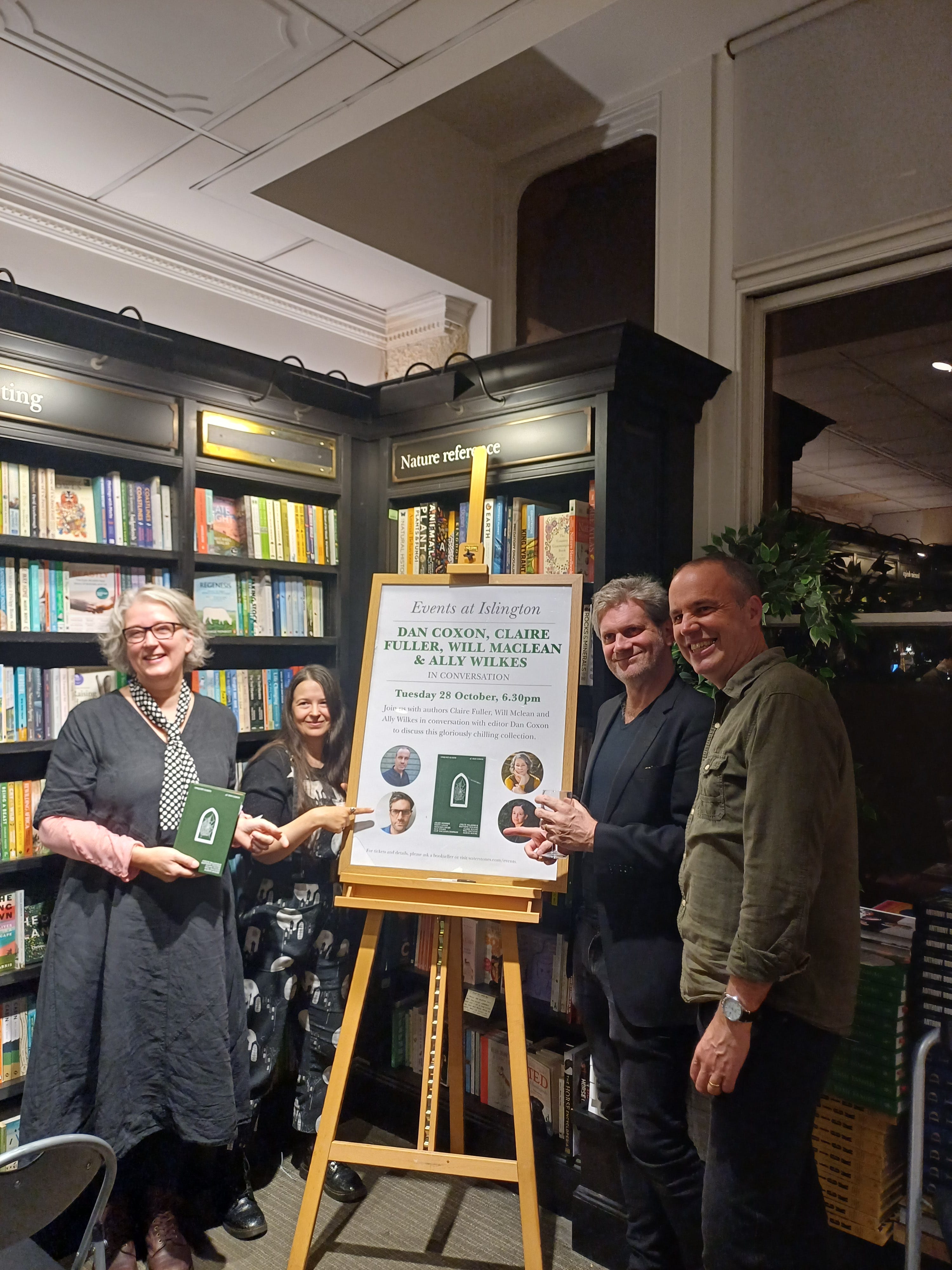
So if you’re feeling like the proverbial well is dry, be creative just in other ways. Attend a book event; float around a gallery; take a chance on something you wouldn’t usually do and just see if you’re not ready to head back to the laptop and make magic happen.
By the end of the week, I’d written 3,500 words, a far superior output compared to the weeks before. Now I’m back at work, I’m managing less and less again, but at least I know what to do if the words dry up completly.
Screen Saver 🎬
What I’m Watching
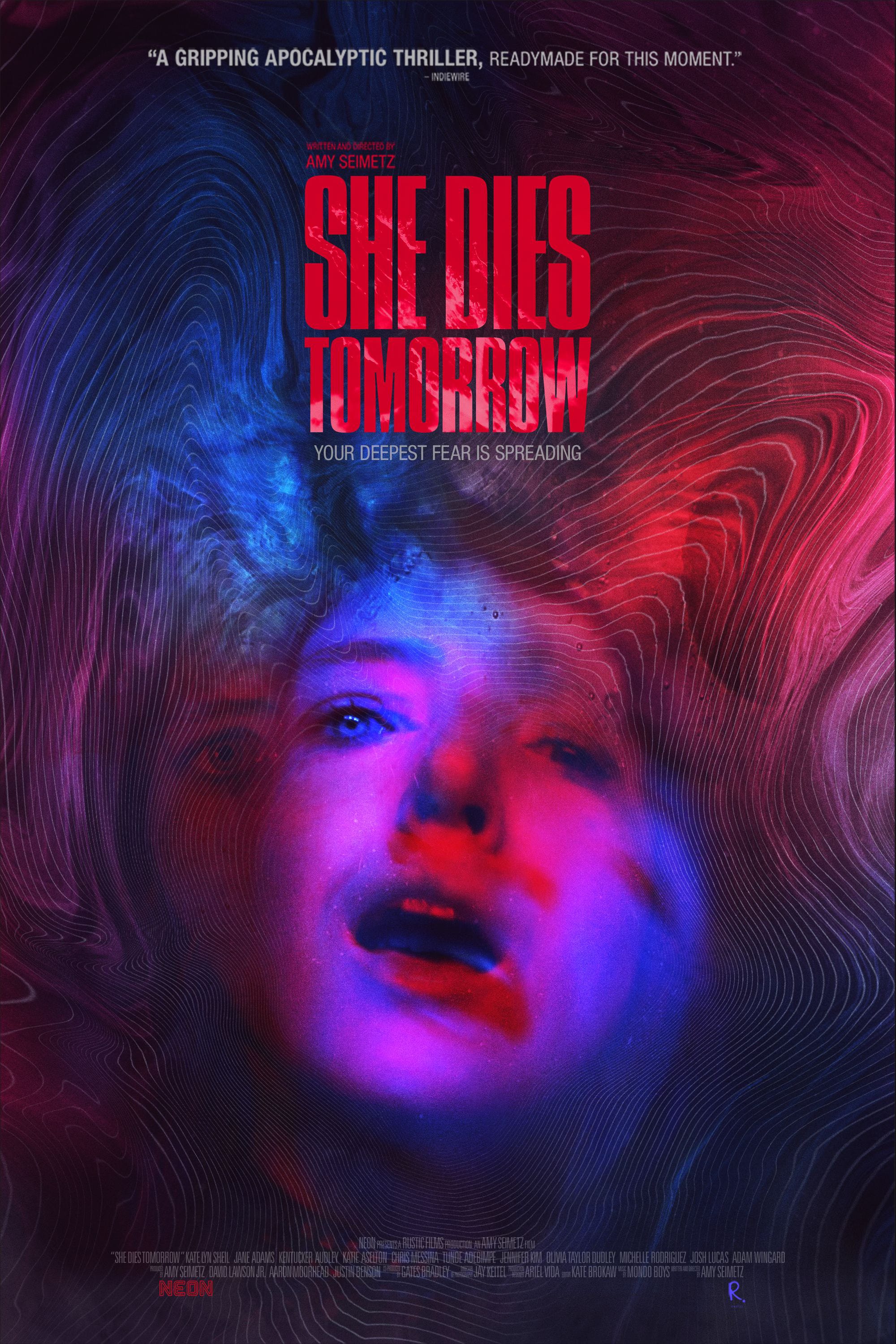
She Dies Tomorrow (Dir: Amy Seimetz, 2020)
‘There’s no tomorrow. I’m not fucking crazy.’
Watching a movie on Mubi is akin to an act of detoxification, but it takes a tremendous amount of willpower to resist the other stuff. Netflix is awash with overly explained, artless drivel that caters to the increasingly less functional frontoparietal attention network. Yes, I could spend all Sunday watching the Is It Cake Halloween special, but what would I learn? Certainly not how to spot the cake under mountains of sculpted fondant icing – that cursed doll was cake, but the dodgy-looking jack-o’-lantern wasn’t, go figure!
She Dies Tomorrow opens with what it promises: a character casually browsing urns and picking out the dress she’d, one assumes, like to be caught dead in. Director and writer Amy Seimetz gives the middle finger to exposition, with the movie’s opening refreshingly free from biography, grounded setting, or context clues as to why the young woman is dying and how it is she’s so certain. Assuming these are Amy’s last hours on earth, it’s jarring to find her wine drunk and wielding a leaf blower to clear her back lawn. I suppose there are worst things to do at the end (clean the toilet. Crash a car. Kick a dog etc.)
Amy’s told by her frustrated pal Jane that she certainly will die if she keeps relapsing – this is as close as we get to understanding why Amy might be so set on self-destruction, but she quickly insists that her death is ‘just so’. No one can call her tomorrow because ‘there’s no tomorrow.’ The best she can hope for is that after death, she’ll be made into a leatherjacket (she’s already found the leather worker in Denver); you know, something useful.
![She Dies Tomorrow – [FILMGRAB]](https://substackcdn.com/image/fetch/$s_!qajh!,f_auto,q_auto:good,fl_progressive:steep/https%3A%2F%2Fsubstack-post-media.s3.amazonaws.com%2Fpublic%2Fimages%2F4212c7ae-85bd-45b9-90be-16ae071b90a9_1280x720.jpeg "She Dies Tomorrow – [FILMGRAB]")
Part horror movie, part nauseating existential crisis, the movie is uninterested in placating its viewers. A tonne of shots made me feel physically ill: intermittent red and blue flashing lights with flickering previews of gory specimens had me motion sick.
If you’ve ever wanted to be conscious during an episode of somnambulism, then She Dies Tomorrow is your gal. Anyway, this fear of imminent death, it turns out, is contagious. Having scared the shit out of Jane, the bulk of Amy’s narrative contribution is over, and Jane slopes off in her terror to her brother’s party to announce that she too is going to die tomorrow. And the second domino falls, striking the next and the next…
What I like about the movie’s concept is how it reflects the fragility of the human condition; we’re all just pretending we aren’t flesh sacks, fallible in every sense, living on borrowed time. If you’re expecting some grand collective panic, you’ll be disappointed. No one person reacts to their impending doom in the same way.
As in fiction, I love creatives who aren’t afraid of tackling unanswerable questions. Who we are in death? What will we become, after? How will we act at the end? In the end, I came away oddly comforted by the universality of the human experience and that yes, each day has the potential to be our last, so quit stalling on that unfinished business – feel every twenty-four hours as if they’re your last.
3.5 ☆☆☆
Current Reads 📚
The Death Bed by Chris Bridges – due for publication February 2026.
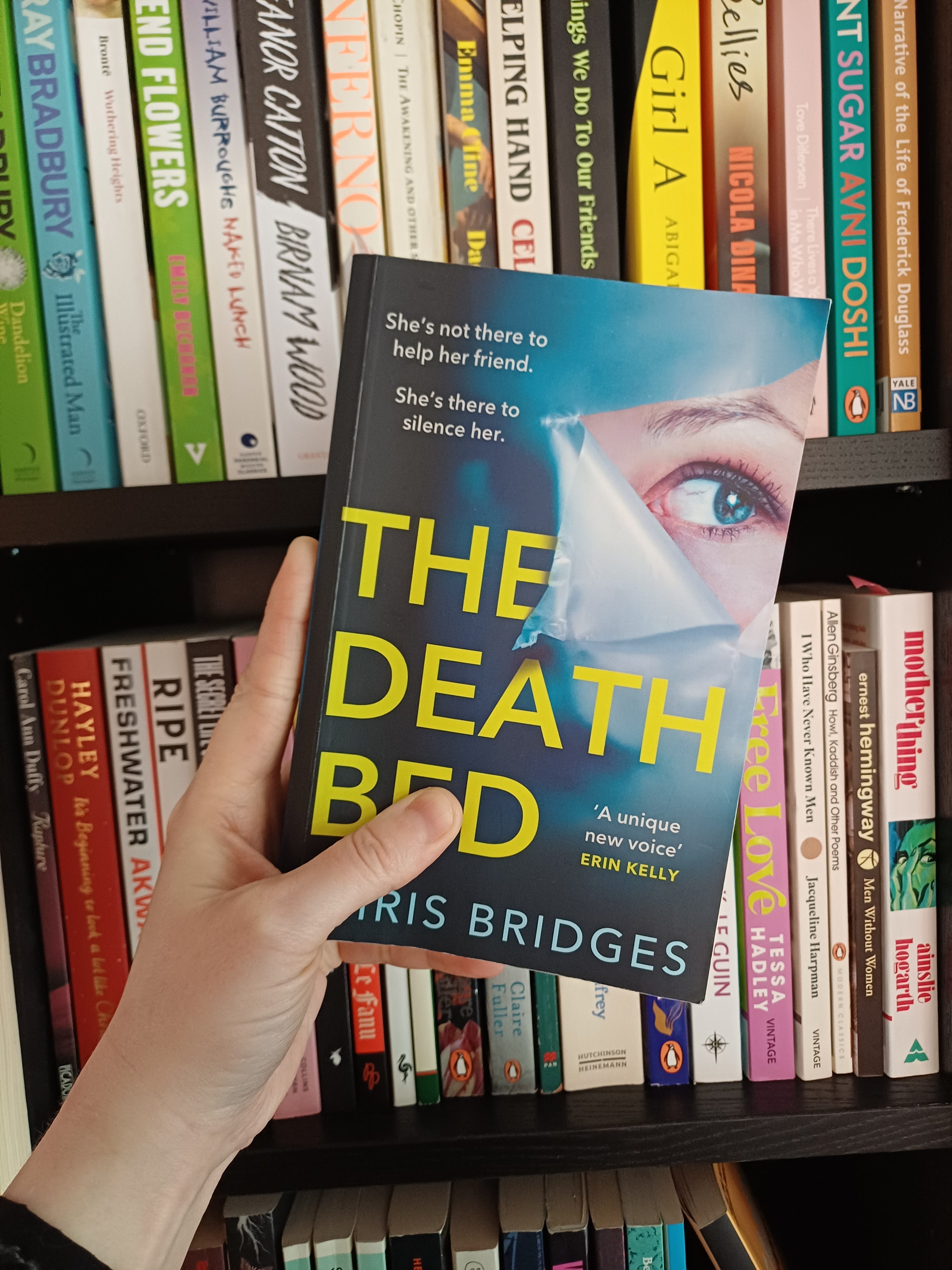
A novel injected with so much menace, you’ll be left reeling from the lies, betrayals and the wicked lengths characters will go to obtain the objects of their desire. Drenched in blood and drugs, The Death Bed, like Chris’ twisty debut Sick to Death, invites readers into the shadow lives of figures skirting the edges of our consciousness: nurses.
Set across two perfectly managed timelines, 90s London and 2010s Derbyshire, Bridges plucks a gaggle of trainee nurses from obscurity and lets them take centre stage for once. There are plenty of ailing patients, some more worthy of our sympathy than others, but the real focus is on meek and lonely nurse Laura who finds a sanctuary in vivacious Sadie, an older trainee who takes more inspiration from the past than the present.
Under Sadie’s glamorously pruned wings, Laura finds a home – literally and metaphorically – but all is not as it seems at Laurel House. When an anonymous adversary threatens to disrupt the friendship Laura has found, she’s forced to reckon with what she would do to protect it.
Later, after a violent tragedy tears Sadie and Laura apart, in the present-day timeline, Laura is called to Sadie’s bedside. She’s dying and won’t suffer anyone else caring for her in her final days. Besides, it suits Laura just fine; in her delirium, Sadie threatens to reveal the terrible secret that still lives on and Laura must do what she can to stop her. And after all these years, Laurel House isn’t quite ready to let either of them go.
If you love an immersive read, one that’s been expertly drawn from the writer’s experience working in the NHS, then you’ll love Chris’ second novel. I came away utterly convinced by the world drawn, and once again thrilled to see the grittier sides of life depicted with such care and attention.
With thanks to Harper Collins for an advanced reader copy.
As always, my reviews are just that: subjective – none of this is scientific.

i needed to read this today! leaving your post with a list of ideas to ease out of a creative slump :)